16 hr
Sigiriya & Dambulla Day Trip with Safari from Colombo
- Expert local guide
- Small group
- Skip-the-line access
- Free cancellation
Sigiriya Tickets — Lion Rock Entry, Museum Access & Guided Climbs
Granite the colour of old amber, a staircase into cloud
Compare fares, pick the fit — all bookings are mobile-voucher and eligible for free cancellation where shown.
16 hr
4 hr
4 hr
| Experience | From | Duration | Rating | Transfers | Pickup | Free cancel. | Price | |
|---|---|---|---|---|---|---|---|---|
|
Guided Experience
Most popular
Sigiriya & Dambulla Day Trip with Safari from Colombo
|
Colombo | 16 hr | ★ 4.7 | ✓ | ✓ | ✓ | €32 | Book → |
|
Luxury / Private
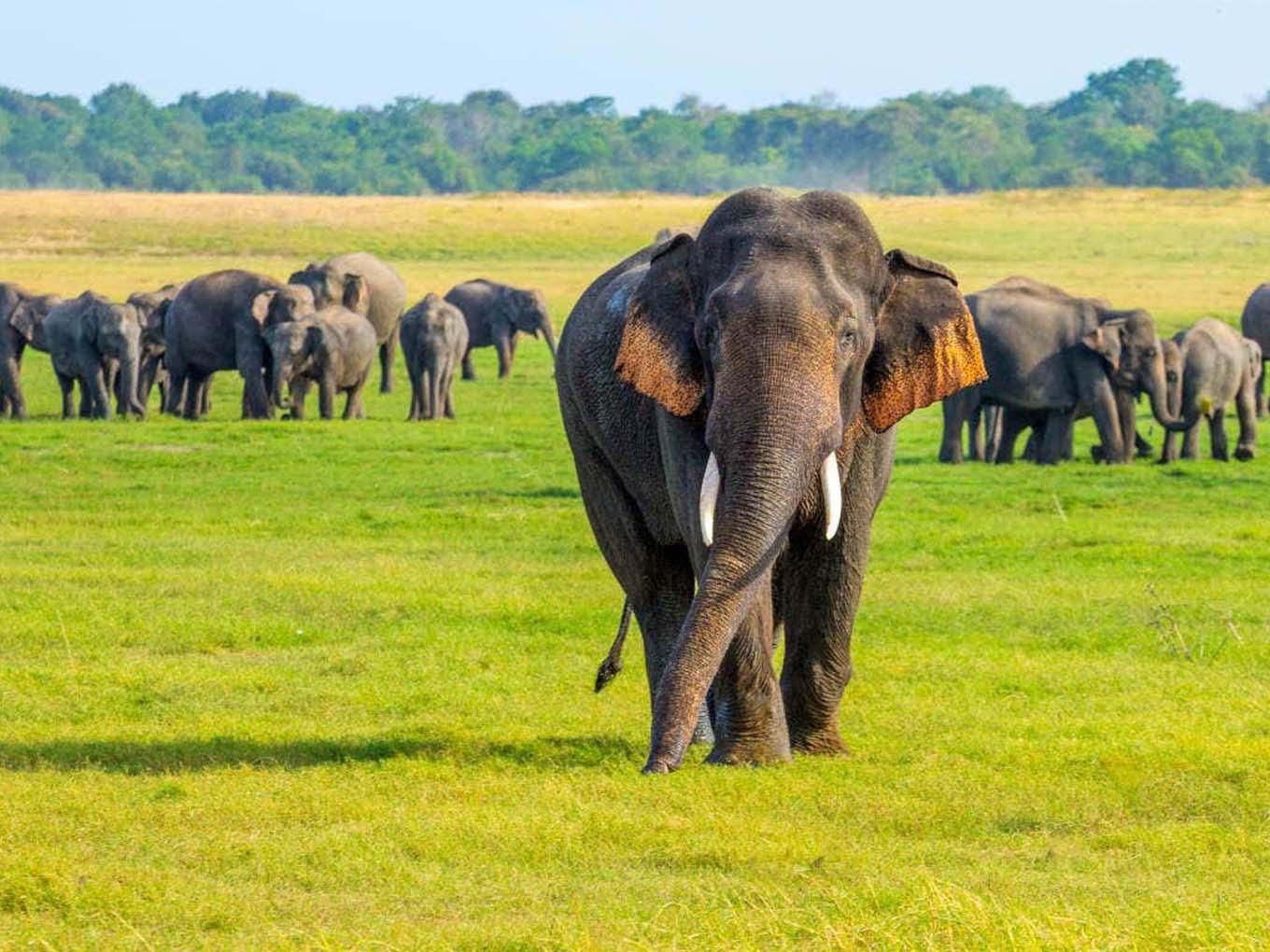
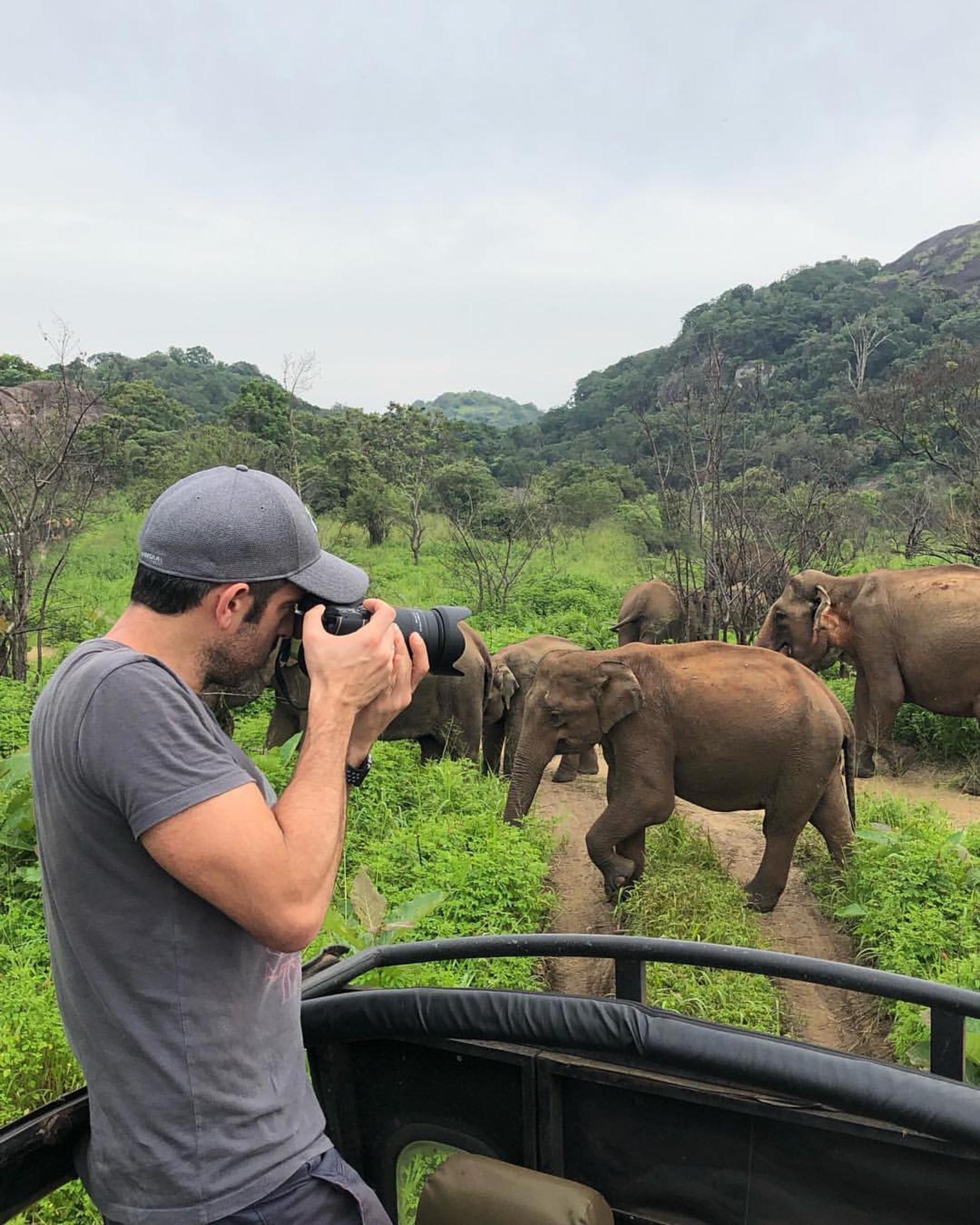
Minneriya National Park Private Jeep Safari from Sigiriya
|
Sigiriya | 4 hr | ★ 4.9 | — | ✓ | ✓ | €28 | Book → |
|
Standard Entry
Minneriya National Park Elephant Safari from Sigiriya
|
Sigiriya | 4 hr | ★ 4.8 | — | ✓ | ✓ | €22 | Book → |
Worth it once, if you can climb
Sigiriya Tickets cost 35 USD for a foreign adult, and that single fee covers more than the summit. It includes the water gardens, the boulder terraces, the mirror wall, the fifth-century frescoes under the overhang, the lion paws, and the on-site museum. Spread across those, the price reads fairly against other Sri Lankan landmarks, though it is steep next to local wages. The catch is physical: 1,200 steps in tropical heat, much of it exposed metal staircase. Arrive between 07:00 and 09:00 while it is cooler and quieter, and the value climbs sharply. Guided Sigiriya rock fortress tours add context most people miss on their own. If knees or vertigo rule out the ascent, neighbouring Pidurangala costs a fraction and still gives you the rock in profile. Sigiriya Tickets tours pay off for anyone treating this as a one-time UNESCO highlight rather than a casual stop.
Bottom line: Fit travellers should book the Sigiriya Tickets tour without hesitation; anyone unsure of the climb should spend far less at Pidurangala instead.
Most visitors who do both call Pidurangala the tougher scramble and Sigiriya the richer history walk, and buying Sigiriya Tickets alongside a Pidurangala hike is the combination locals recommend for a single morning.
|
Top pick Sigiriya Rock Fortress |
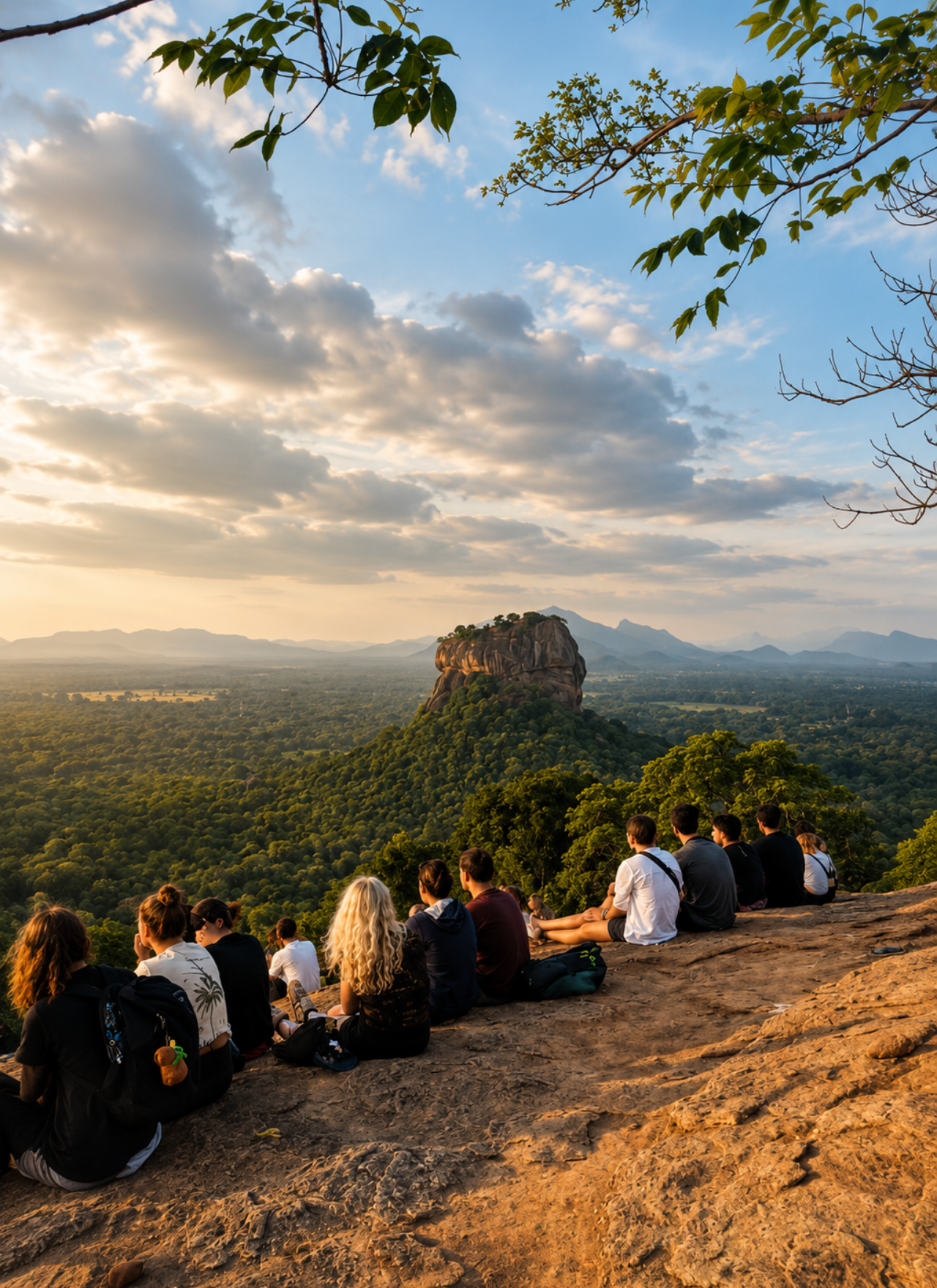
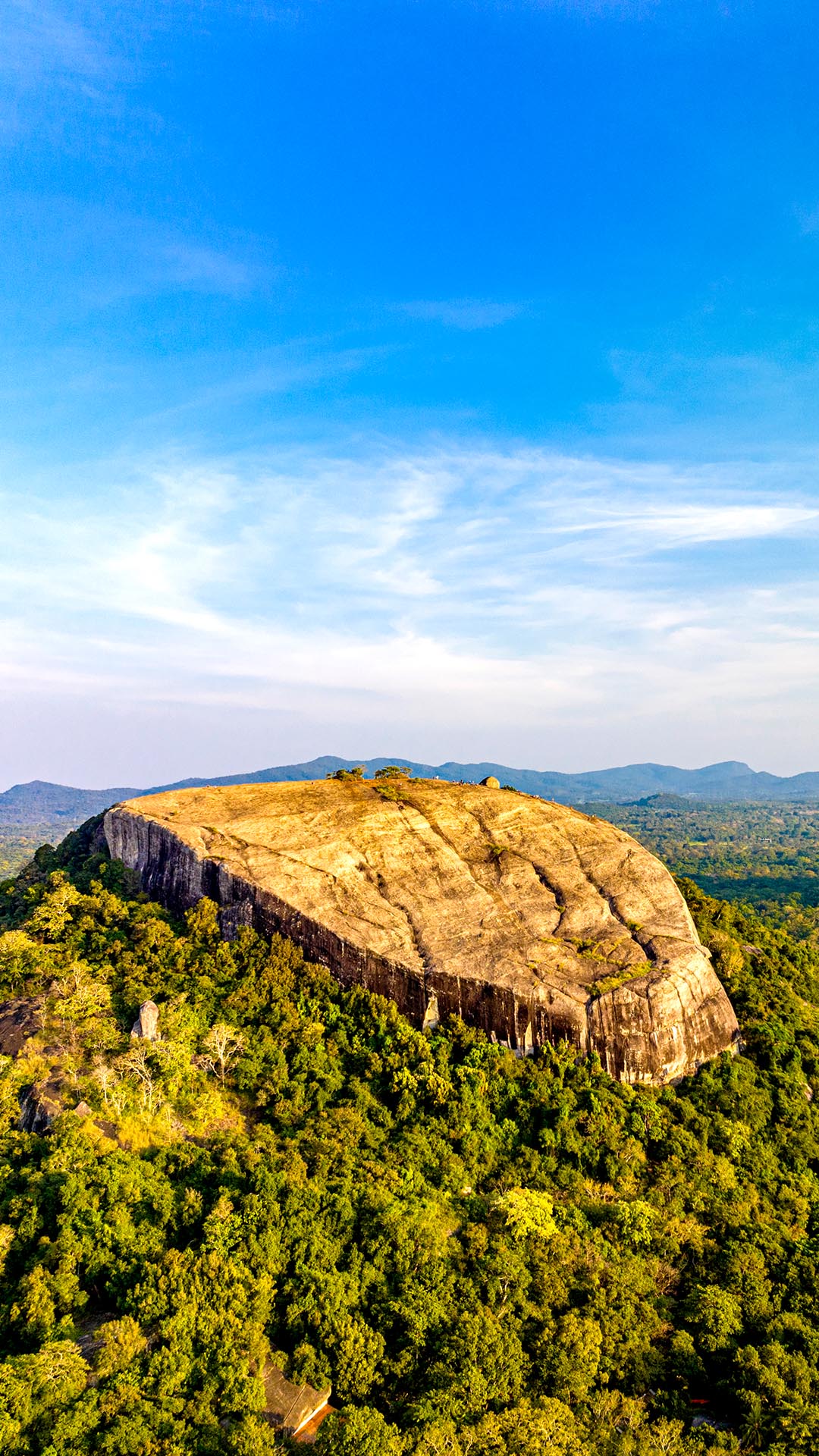
Pidurangala Rock | |
|---|---|---|
| What you climb | Ancient rock palace with frescoes and ruins | Bare granite rock and jungle trail |
| Entrance fee | 35 USD (foreign adult, full ticket) | ~3 USD (LKR 500–1,000 donation) |
| Difficulty | Moderate — steady staircases, some open-air | Harder — steep, rocky, brief scramble near summit |
| Time needed | 2–3 hours round trip | 45–60 minutes round trip |
| What you see at the top | Lion's Paw terrace, summit ruins, valley views | Unobstructed view of Sigiriya rock itself |
| Crowds | Heavier, especially mid-morning tour buses | Lighter, but bottlenecks on narrow sections |
| See tickets & prices |
Verdict: Sigiriya rewards those chasing history and engineered stairways, while Pidurangala rewards those chasing a cheaper, steeper climb and the classic long-range photo of Sigiriya itself — many visitors simply book both in one morning.
Hand-picked experiences loved by thousands of travelers
3 hours
Free Cancellation
Guided hike up Pidurangala Rock for sweeping views of Sigiriya Fortress at dawn or dusk.
4 hours
Free Cancellation
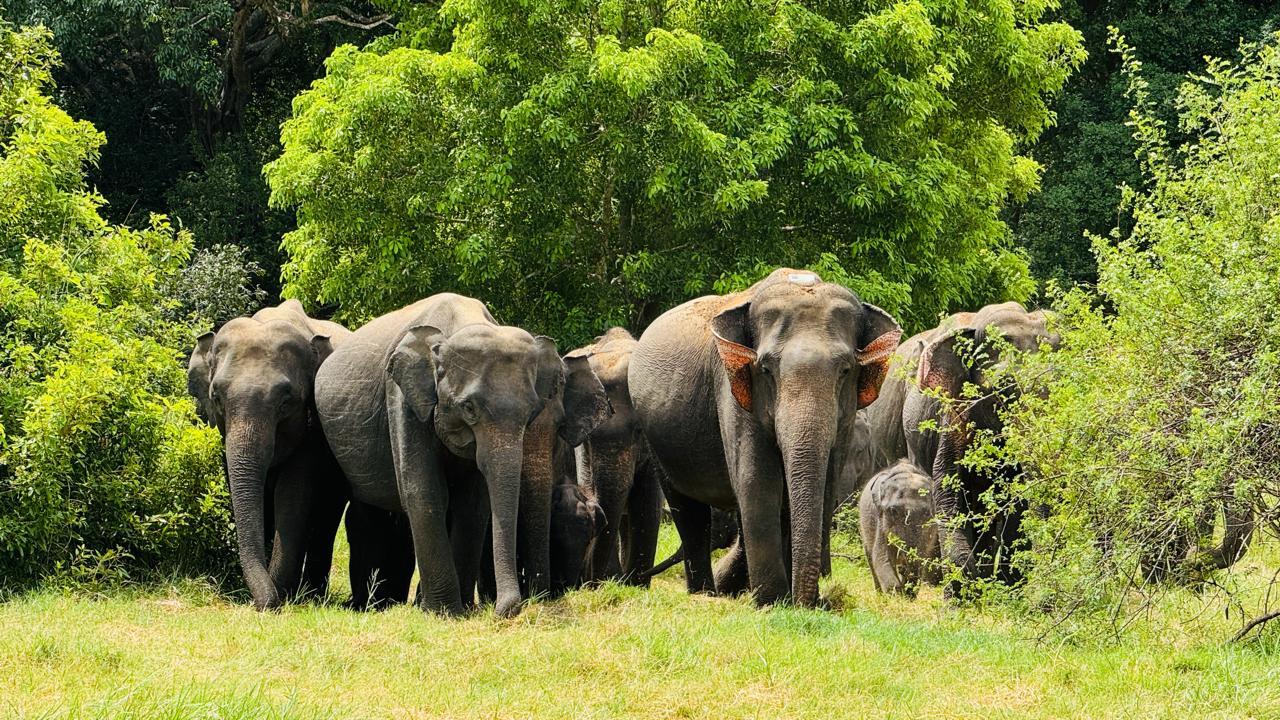
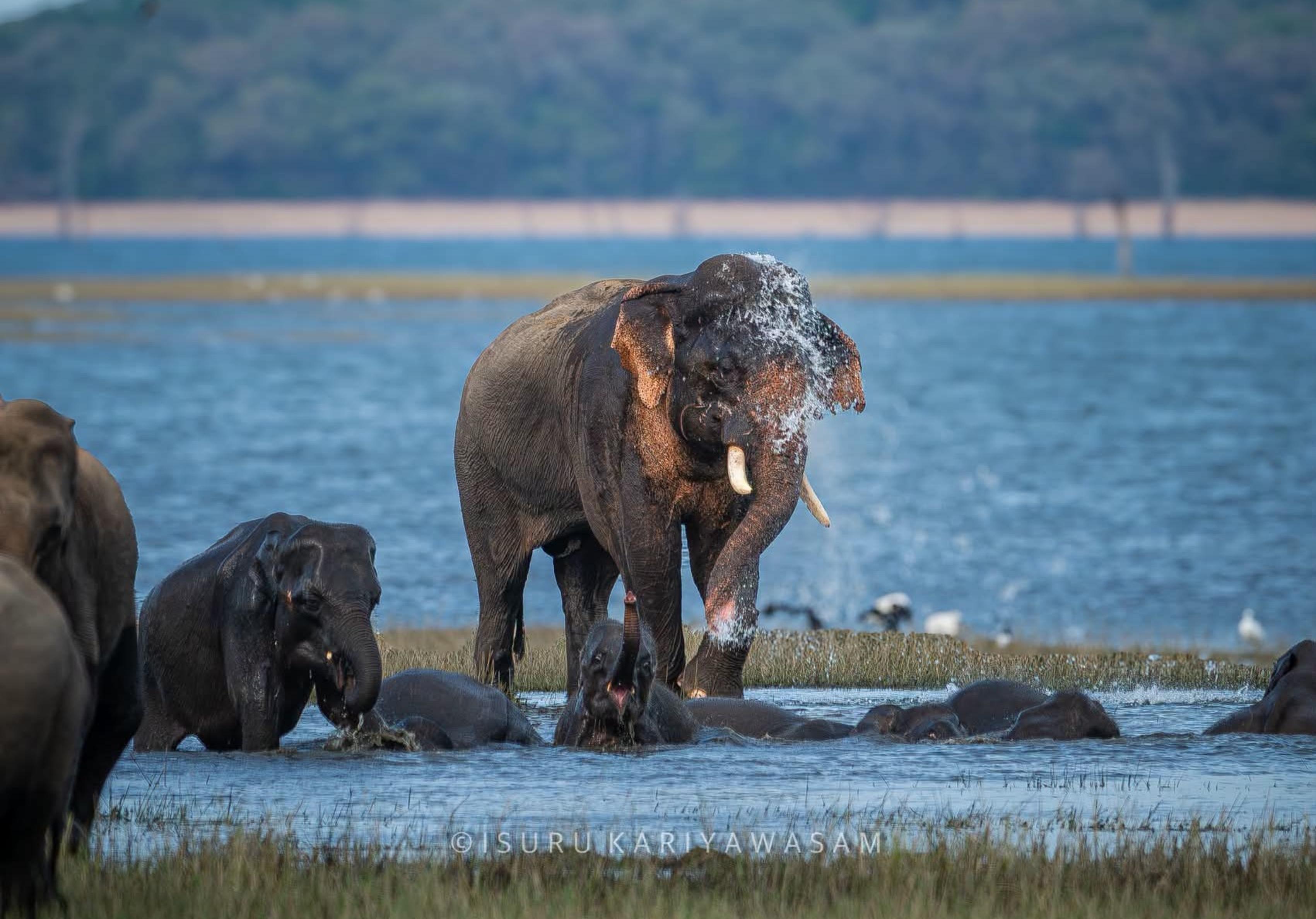
4x4 jeep safari through Minneriya's grasslands and lakes to spot wild elephant herds
10 hours
Free Cancellation
Climb the legendary Sigiriya Rock, then track wild elephants on a jeep safari through Sri Lanka's dry-zone parks.
3.5 hours
Free Cancellation
4x4 morning safari through Hurulu Eco Park in search of wild elephants and birdlife.
3 hours
Free Cancellation
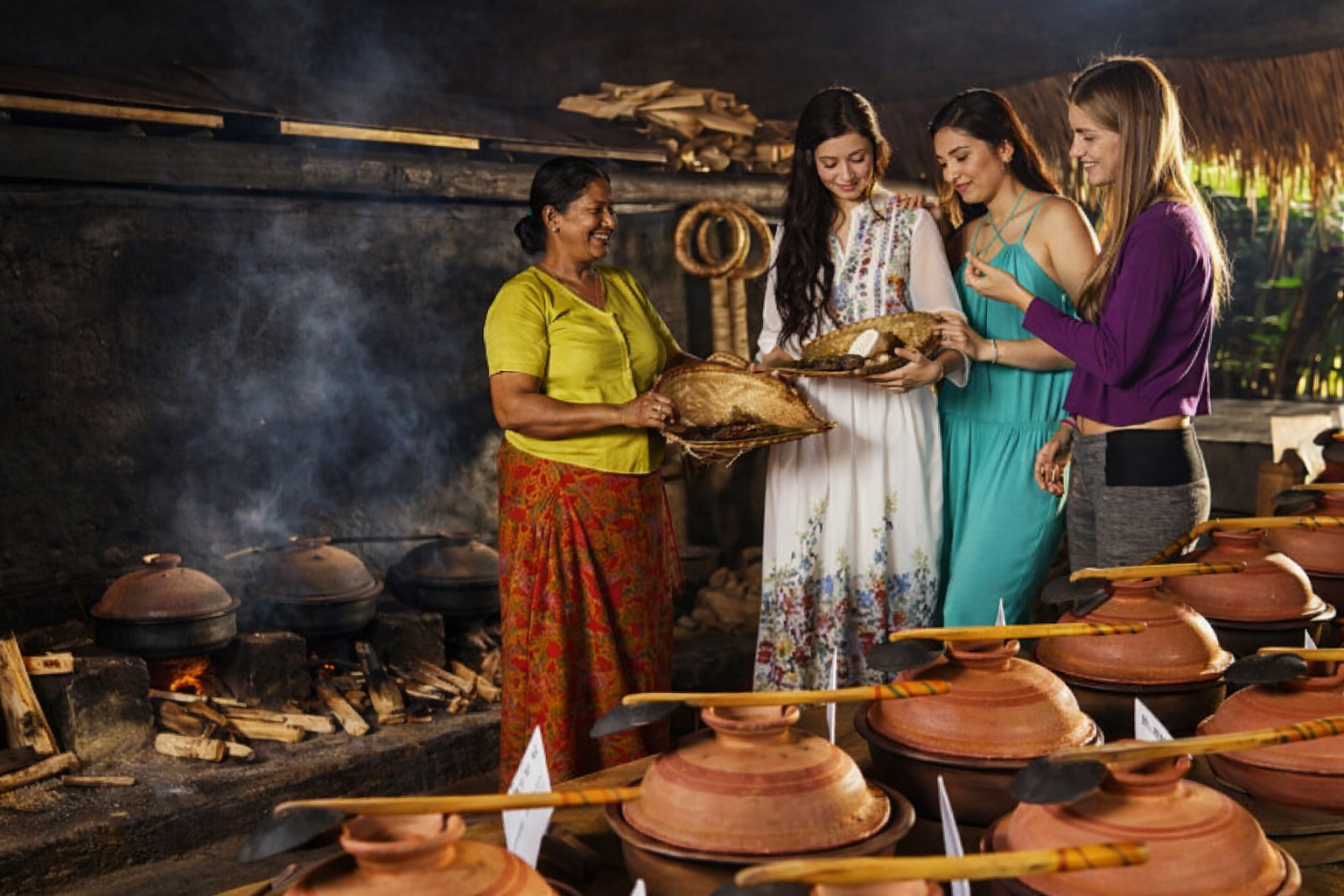
Tuk-tuk rides, a lake canoe trip, and a home-cooked lunch in a real Sri Lankan village
3 - 8 hours
Free Cancellation
Tuk-tuk pickup, a monastery cave shrine, and a rock scramble to golden Cultural Triangle views.
8 hours
Free Cancellation
A private, driver-led day tour to Sigiriya Rock, Polonnaruwa's ruins, and Dambulla's Golden Cave Temple.
You arrive at the western gate before the light hardens. Gates open at 07:00, and the arrival window of 07:00–09:00 buys you cool air and thin crowds before the tour coaches turn in.
Your Sigiriya Tickets tour begins on flat ground: you walk the axis of the water gardens, past pools holding sky, and the rock stands ahead of you like a closed fist.
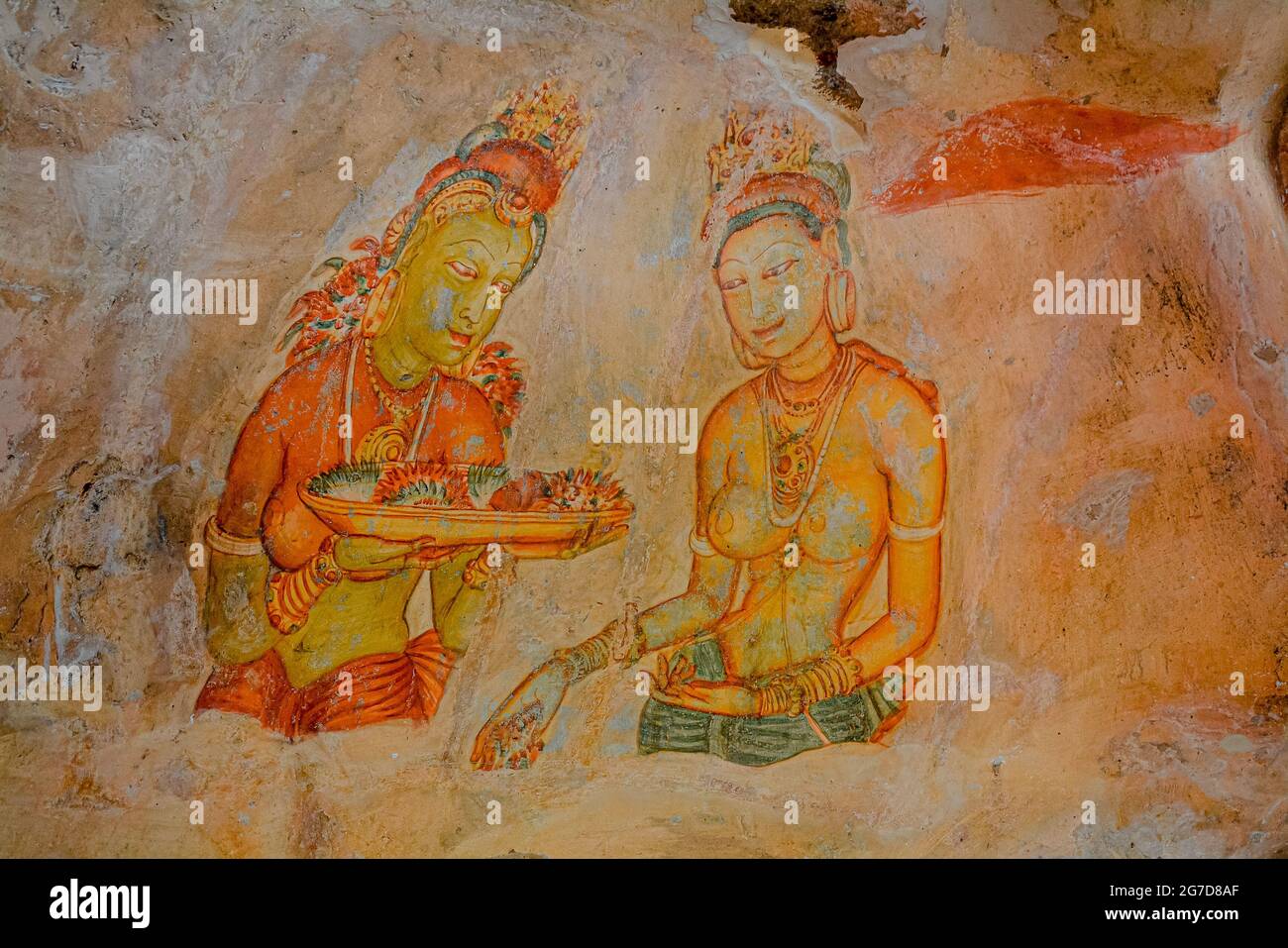
Then the boulder garden. You duck under overhangs, follow the path as it kinks between rocks, and start climbing brick-and-stone terraces that gain height fast. Halfway up you branch onto the spiral staircase to the fresco pocket. You stand in a cave the size of a lift, three metres of painted wall in front of you, and come back down the same iron treads.
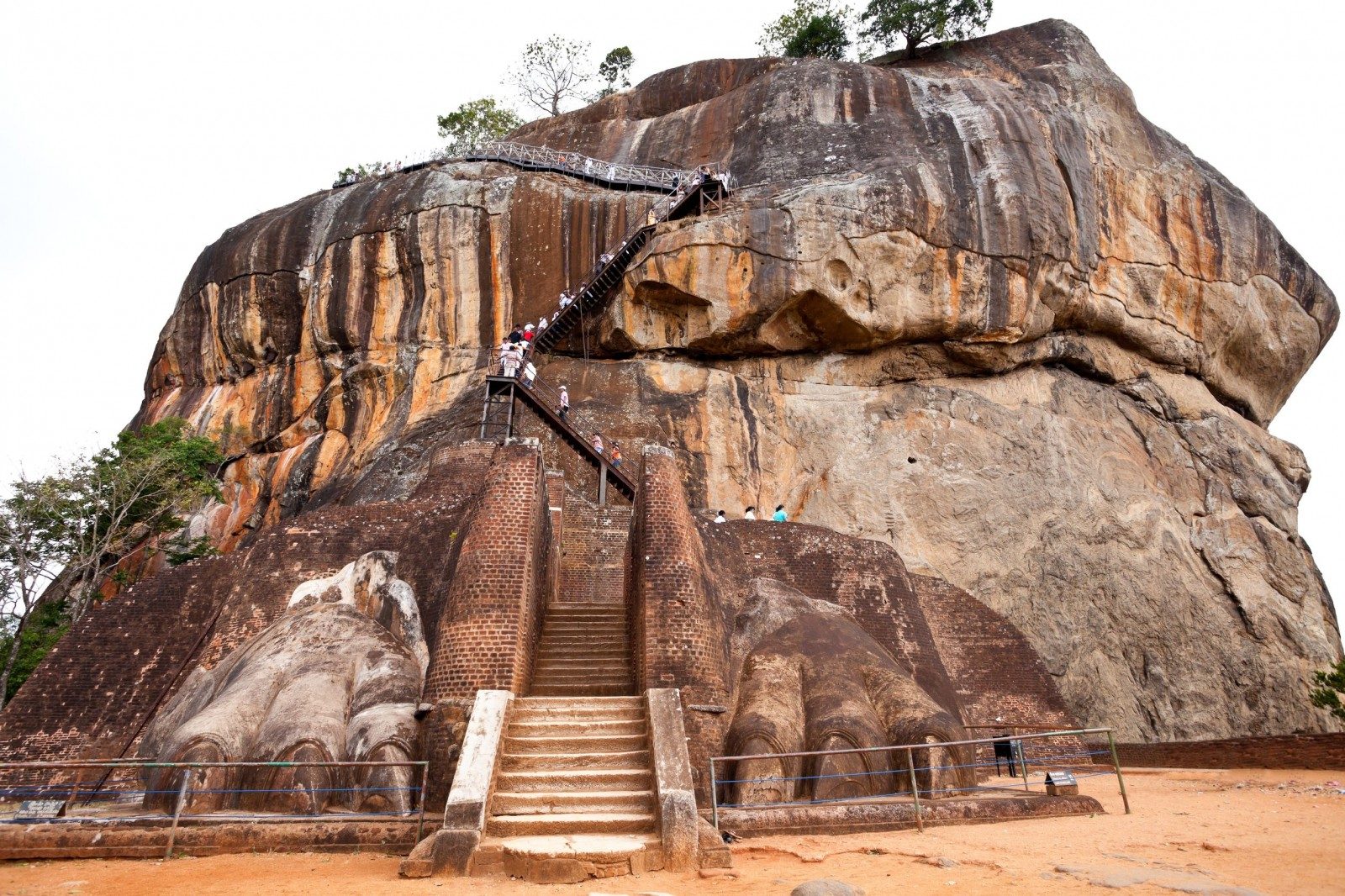
The mirror wall runs along the ledge afterwards. You put a hand near it, not on it, and read the modern signage explaining the verses. You keep going. At the Lion Staircase you pause between the paws — most people do — then take the caged steel stairway up the last exposed face, one hand on the rail, 1200 steps behind you by the time the plateau flattens out.
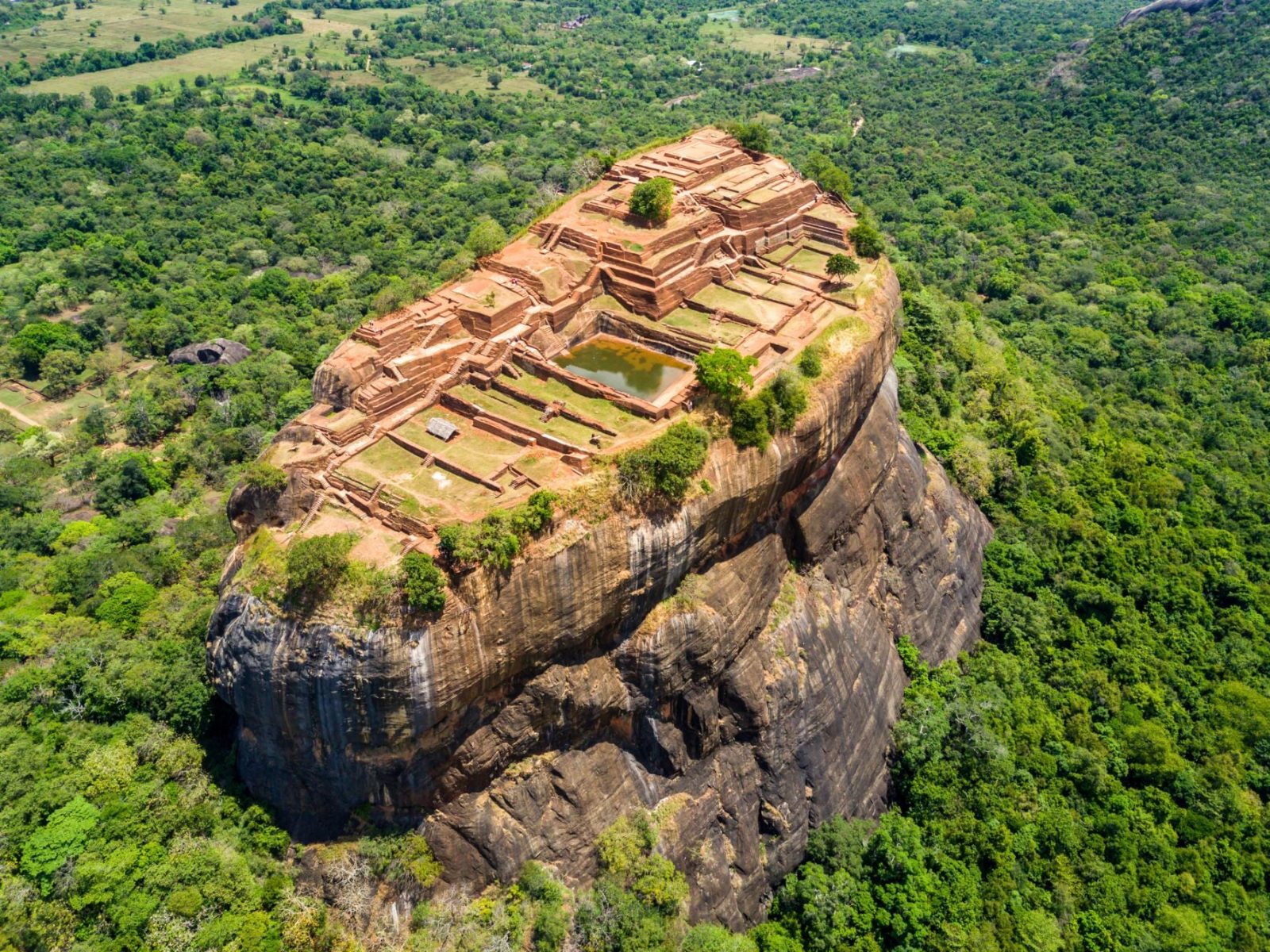
On top you cross bare rock. You find the cistern cut straight into stone, the throne slab, the outlines of rooms. The plain runs green to the horizon; if a kandy to Sigiriya group is arriving below, you will not hear them. You go down the northern route, slower, into shade.
All the details about your upcoming adventure in one place
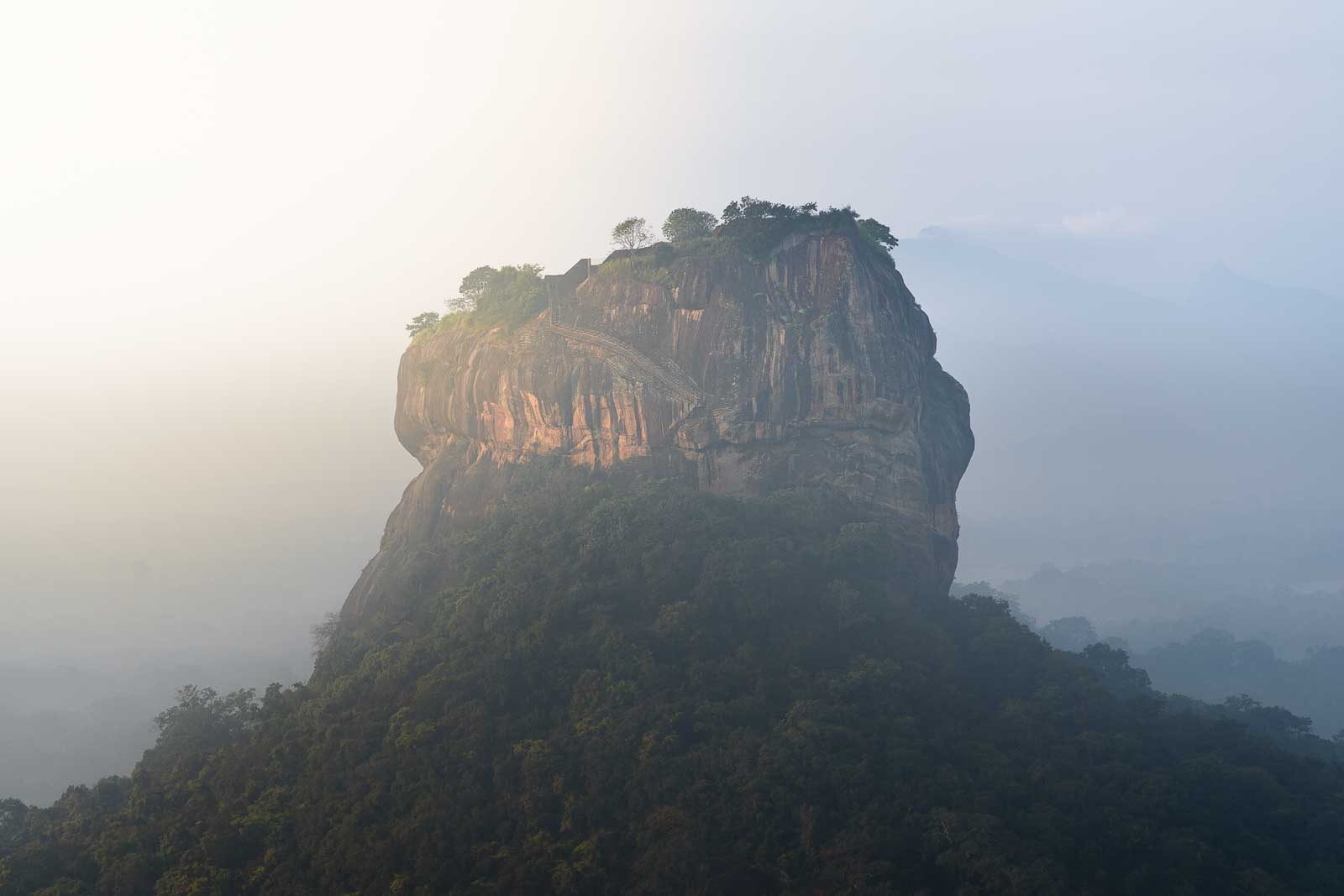
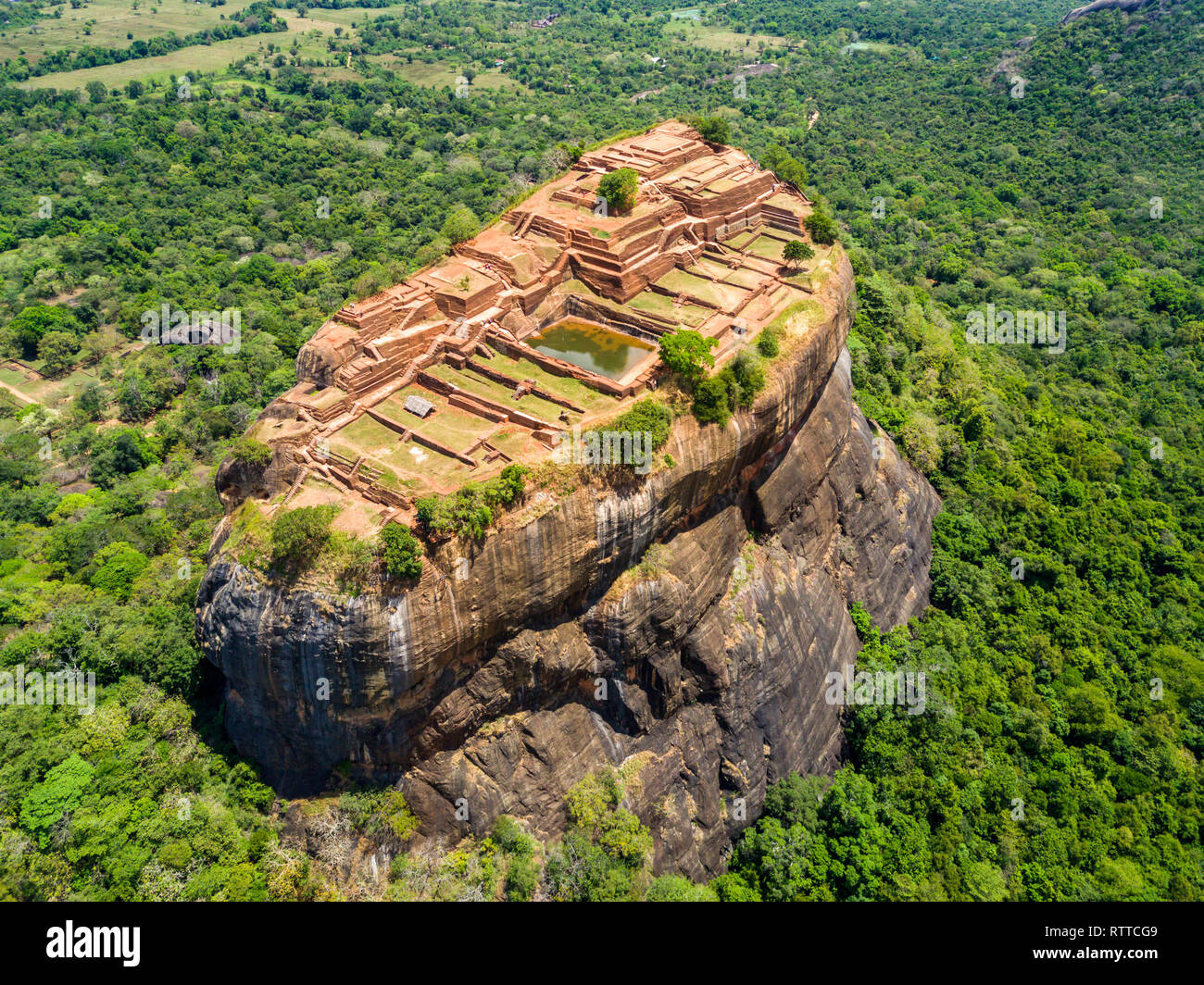
Rising 200 metres from the Central Province plains, the fifth-century rock fortress of King Kashyapa holds mirror wall graffiti, the frescoes of the celestial maidens, and the carved lion paws that guard the final staircase to the summit palace ruins. A guided Sigiriya Tickets tour covers the water gardens, boulder gardens and terraced approach that make this UNESCO World Heritage Site one of Sri Lanka's most complete ancient urban plans. Entry to the site is managed through the Central Cultural Fund, and Sigiriya Tickets are checked at the main western gate.
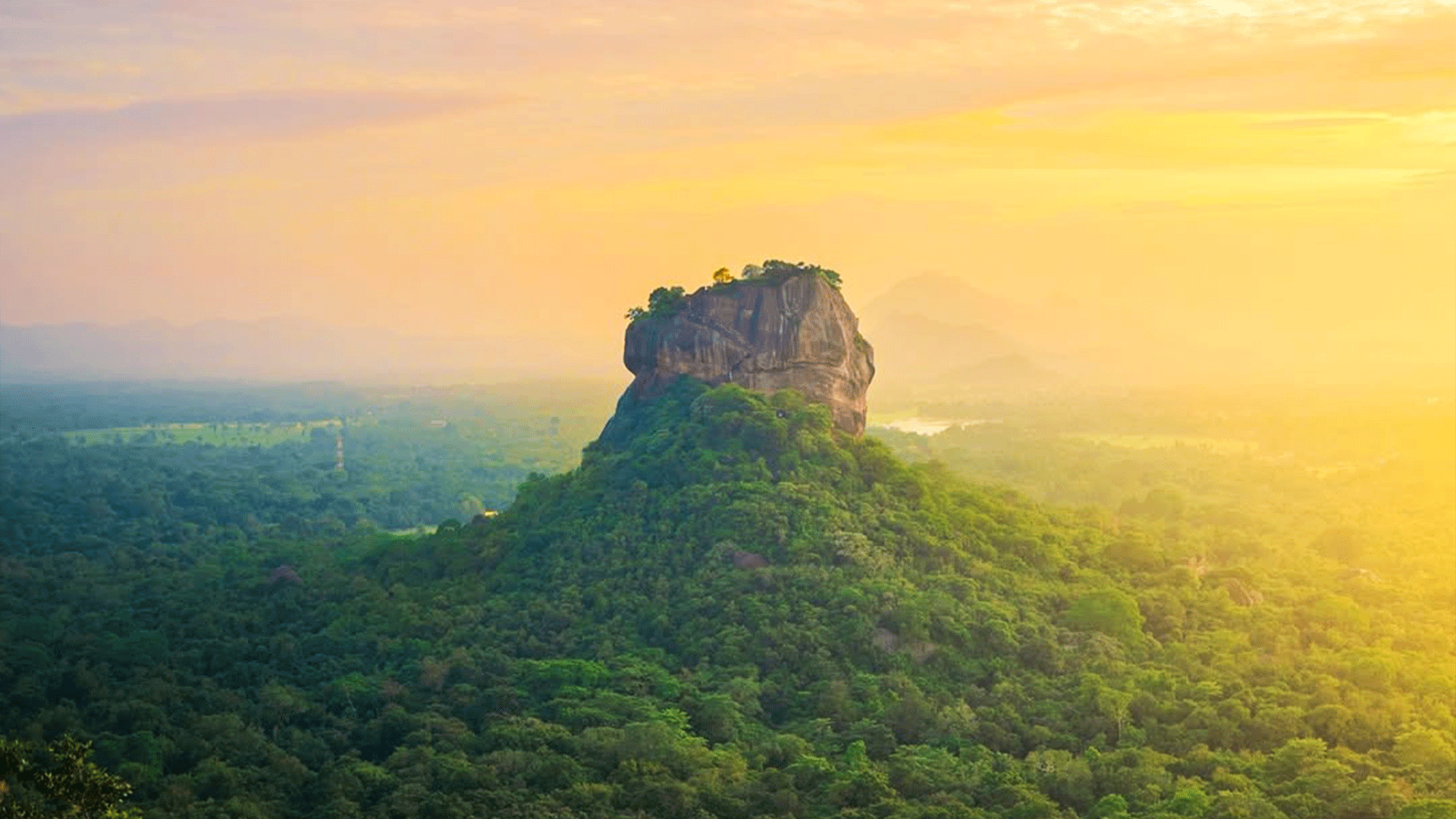
A fifth-century king built a palace on top of a magma plug two hundred metres above the plain, and then his court abandoned it within eighteen years of his death. That plug is Sigiriya.
King Kashyapa raised his citadel here around 477 CE; after his fall the summit passed to Buddhist monks, who occupied the boulder terraces until roughly the fourteenth century, when the jungle closed over the whole thing. British surveyors re-entered the site in the 1830s. Excavation has continued, in fits and starts, ever since.
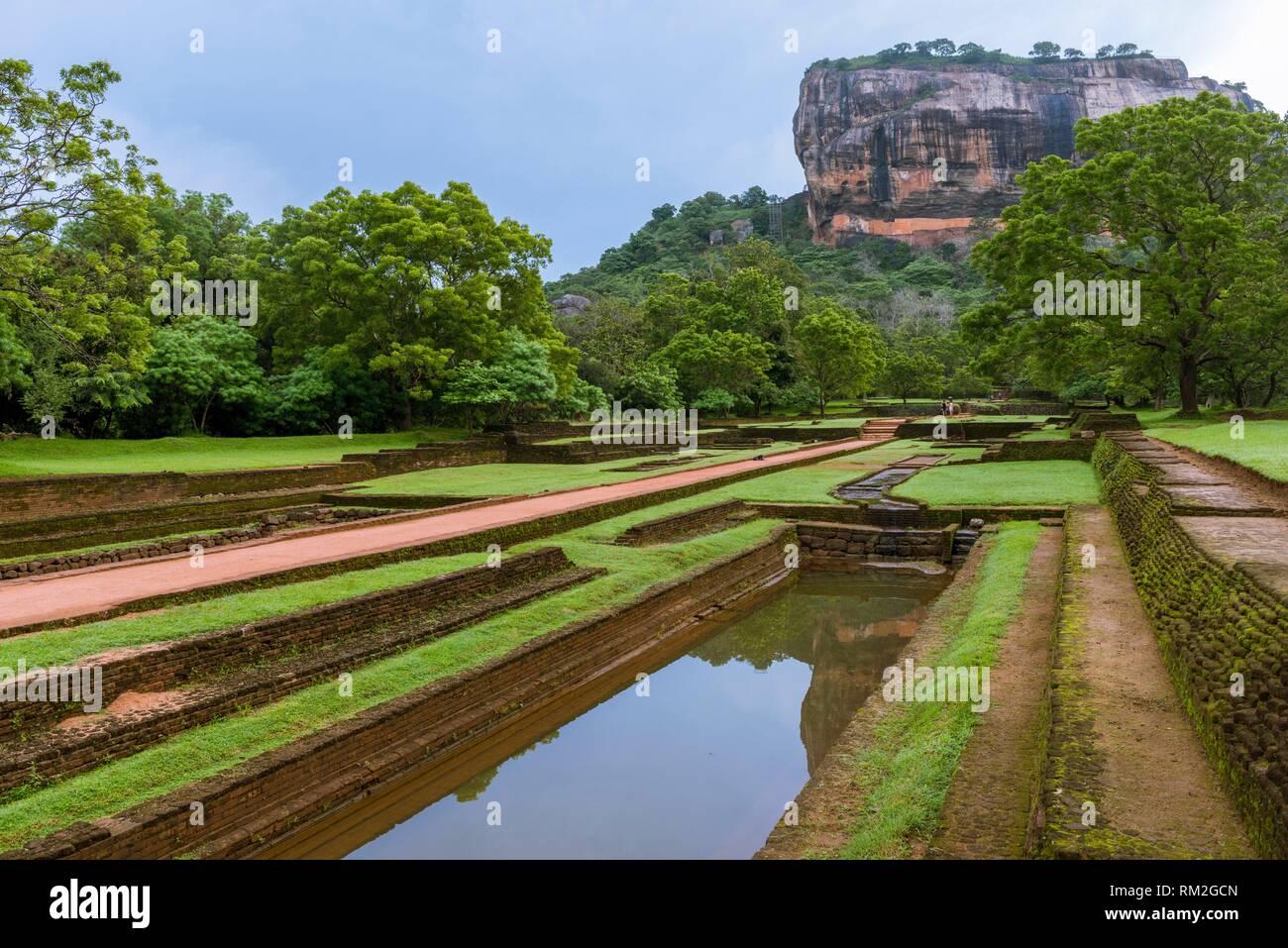
What survives is less a ruin than a diagram of intent. The western approach runs through symmetrical water gardens — limestone-lined pools, fountain jets fed by pressure alone, still working after monsoon rain. Beyond them the boulder garden scatters house-sized rocks cut with sockets that once held timber pavilions. Then the terraces rise, and the ascent begins. Travellers holding Sigiriya Tickets pass the mirror wall, a plastered parapet burnished to a sheen, scratched over eight centuries with more than seventeen hundred verses by early visitors — graffiti that is now among the oldest continuous bodies of Sinhala writing. Above it, in a sheltered pocket of rock, the apsara frescoes retain their ochre and green.
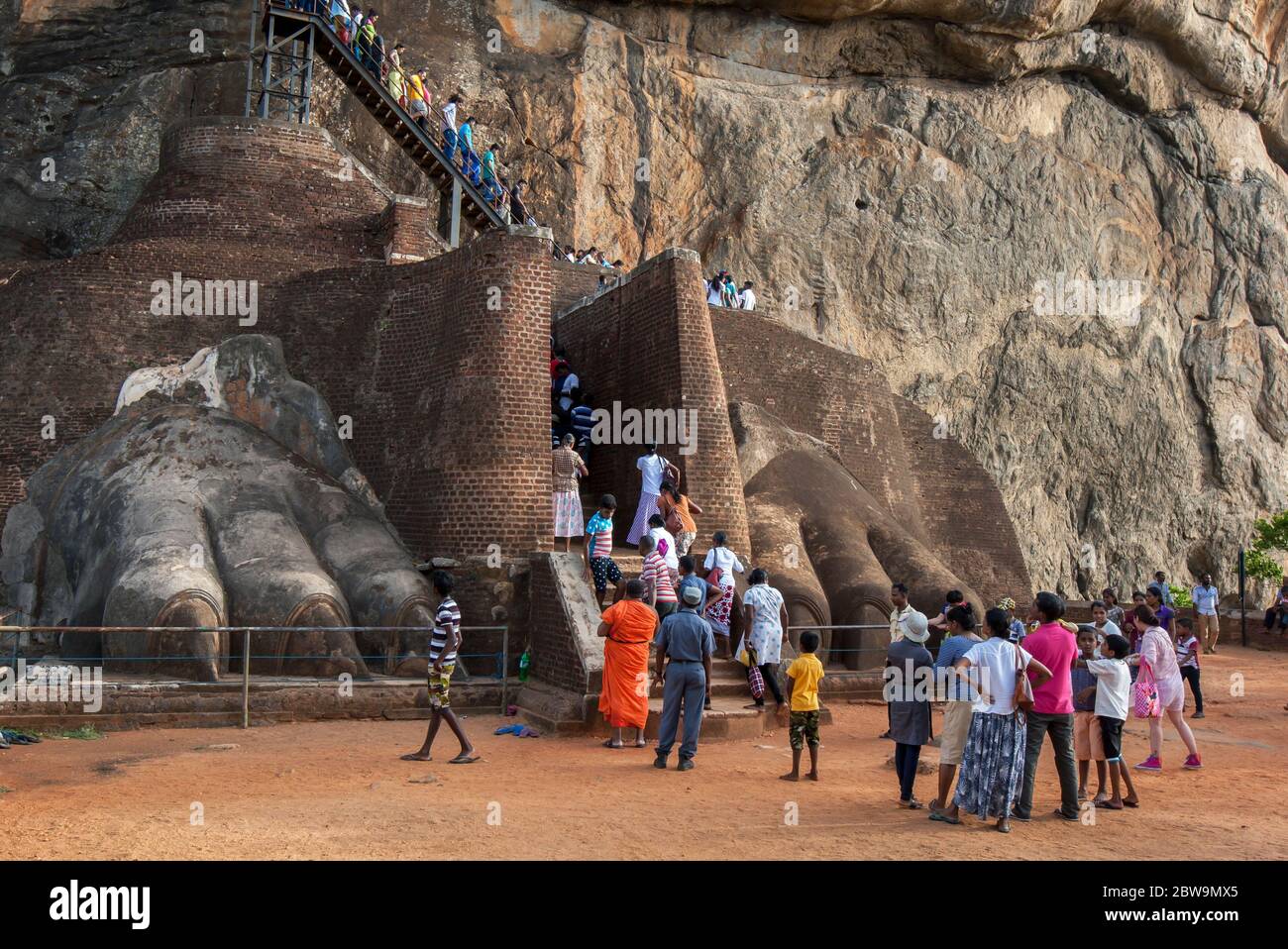
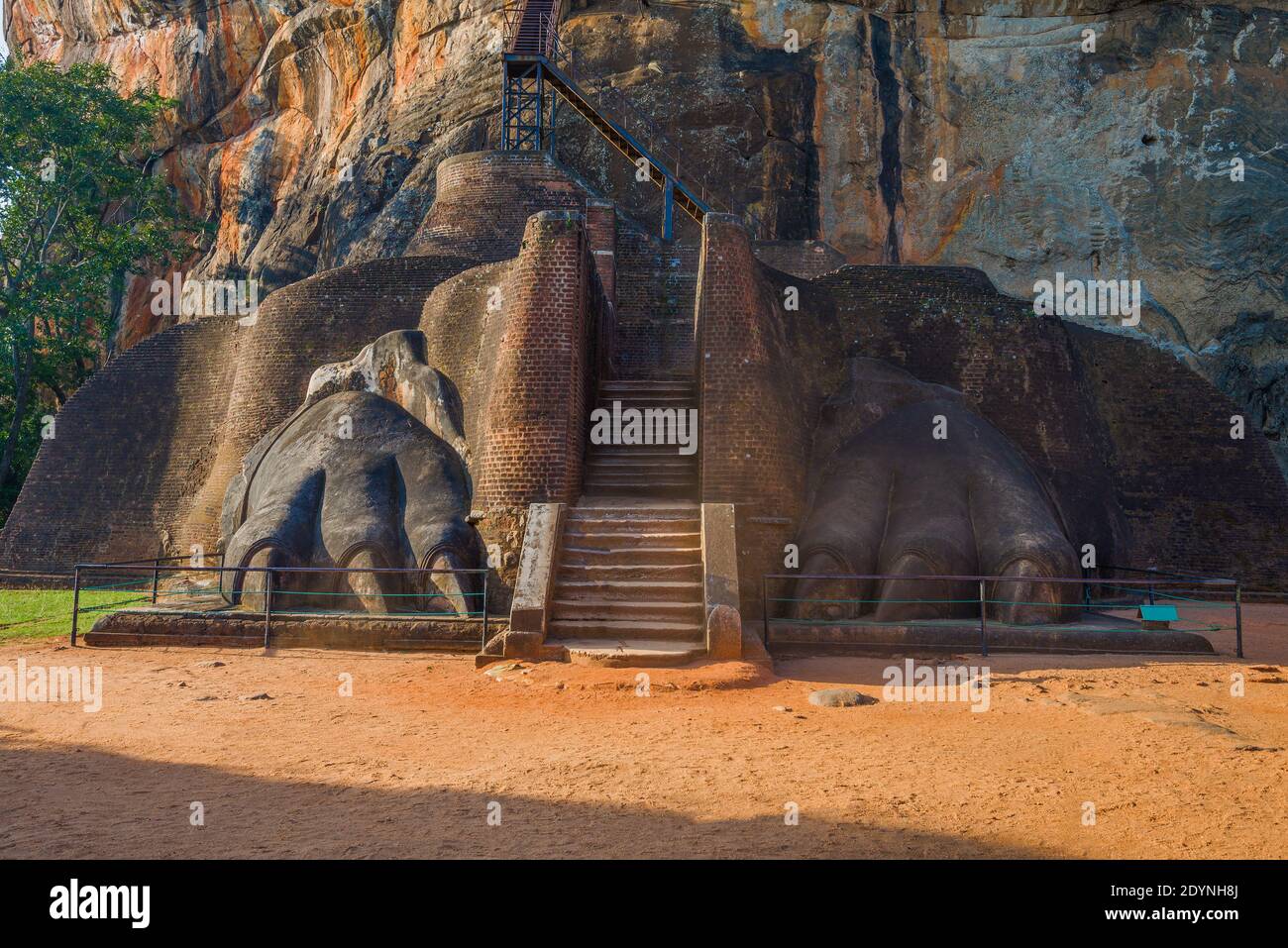
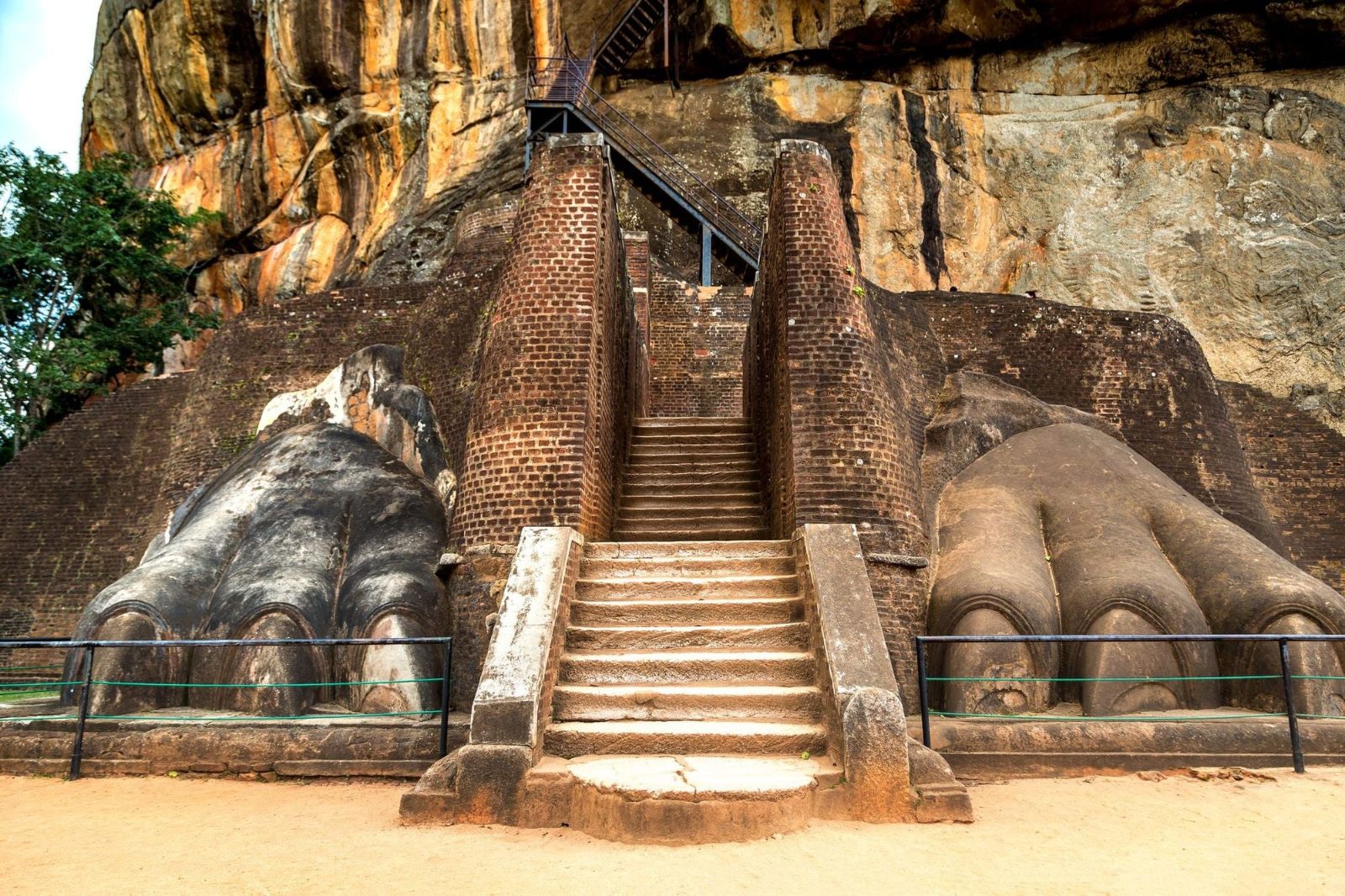
The Lion Staircase gives the rock its name. Only the paws remain, colossal brick forepaws flanking the final flight; the head and shoulders through which climbers once walked collapsed centuries ago. Above that lie 1200 steps in total from the base, ending on a summit plateau where cisterns, throne platforms and palace foundations are laid bare to the sky. The ticket at 35 USD for a foreign adult covers the museum at the western entrance, where the fresco pigments and hydraulic engineering are explained properly.
Sigiriya sits at the centre of Sri Lanka's Cultural Triangle, and the rock anchors an unusually dense cluster of Sri Lanka landmarks — Dambulla's cave temples, the ruins at Polonnaruwa, the reservoirs of the dry zone. Its silhouette is what draws the hot air balloon Sigiriya operators at dawn, and what makes the drive north on the kandy to Sigiriya road worth the early start; a Sigiriya balloon tour and a Sigiriya private tour are both, in the end, arranged around the same object. Sigiriya Tickets tours have shaped how the site is seen for a century.
UNESCO inscribed Sigiriya in 1982. The address remains Sigiriya Rock Fortress, Sigiriya, Central Province, Sri Lanka — a plain line for a place that was, briefly, the capital of an island.
What survives is less a ruin than a diagram of intent.
Wear light, breathable clothing and closed, grippy shoes suited to steep metal staircases and hot stone paving; shoulders and knees don't need to be covered for the climb itself, but modest dress is appreciated since Sigiriya was a royal and religious site. A hat and sunglasses help on the largely unshaded final ascent to the summit of Sigiriya.
Bags are subject to a visual check at the entrance gate before the ticket turnstile, and staff periodically patrol the frescoes gallery and Mirror Wall to prevent touching or scratching the surfaces. Keep bags compact, since the spiral metal staircases past the frescoes are narrow and two-way traffic can back up quickly.
Personal photography and video are permitted throughout the water gardens, boulder gardens, and summit ruins at no extra charge. Flash photography is prohibited in the fresco gallery to protect the 1,500-year-old pigments, and drones require prior written permission from the Central Cultural Fund rather than being flown freely on site.
Children of any age can enter, though the metal spiral staircases near the frescoes and Lion's Paw Terrace have open grating and low rails that require close supervision. Strollers cannot go past the Boulder Gardens, so a child carrier works better for the upper sections.
The site is not wheelchair accessible beyond the water gardens, since reaching the summit requires roughly 1,200 steps including steep, exposed spiral staircases bolted to the rock face. Visitors with mobility limitations, vertigo, or heart or breathing conditions should plan to enjoy the gardens and museum at ground level instead of the full ascent.
A small stall area near the halfway plateau by the Lion's Paw Terrace sells bottled water and light snacks, but there is no full restaurant inside the fortress complex itself. Outside food is allowed, and carrying at least one liter of water per person is strongly advised given the exposed, shadeless upper staircase.
;Tue
Hours
07:00–17:30 daily, last entry timed to allow full climb before closing;location
Opening hours
07:00 – 17:30
Getting there
City-center access via metro and bus
Accessibility
Most experiences are wheelchair-friendly — check individual tours
What to bring
Comfortable shoes, water, phone for mobile voucher
Car · 4–4.5h from Colombo · Parking approx. LKR 200–300;Public transport
Self-drive from Colombo takes roughly 4–4.5 hours via the A6 and A9 highways, with paid parking available near the entrance gate.
Sigiriya Tickets purchased through the official Central Cultural Fund portal or authorized resellers are generally non-refundable once issued, since the 35 USD full ticket is tied to a dated entry. Tour-inclusive bookings that bundle Sigiriya Tickets with transport typically allow free cancellation up to 24–48 hours before the visit date; check the specific operator's terms at the time of booking.
Recommended time
2-3 hours
That window covers the full climb, a stop at the fresco pocket and mirror wall, and time on the summit plateau, and it's the baseline most Sigiriya Tickets tours build their day around. Add 30-45 minutes for the museum or a slower pace at the water gardens, and subtract little even if you're brisk, since the 1200 steps set a natural floor on pace. Tour buses arriving from Kandy (roughly 90 km, about 2-2.5 hours' drive) and Dambulla tend to cluster between 9:30 and 11:00, so queues at the ticket counter and stairway bottlenecks build fast once mid-morning hits. Pairing a pre-dawn Sigiriya hot air balloon flight with an early site entry lets you finish the climb before those buses unload, turning a single morning into an efficient loop back toward Kandy or onward through the Cultural Triangle.
Crowd levels through the day
Weather · crowds · average price — dots go green to amber to red as each metric rises.
Dry season with the lowest rainfall and clearest skies, but also the busiest months with tour buses arriving mid-morning. Mornings stay relatively cool, in the low-to-mid 20s Celsius, ideal for the exposed summit staircase.;April–June
Pre-purchasing Sigiriya Tickets online or through an authorized agent can shorten the wait at the counter, particularly in the December–March dry season. Bring a printed or digital voucher to exchange for the physical ticket.;Carry small LKR notes
Sigiriya Rock Fortress, Sigiriya, Central Province, Sri Lanka
Ticket checkpoint and bag inspection before the causeway
Get directionsThe rock came first. Prehistoric shelters beneath the gneiss inselberg were occupied from roughly the 3rd century BCE, when Buddhist monks carved drip-ledged caves into its western base. Donative Brahmi inscriptions above those caves record the earliest human claim on the site. Monastic quiet held for some seven centuries. Then, in 477 CE, the rock became a throne. Kashyapa I seized power that year from his father, Dhatusena. The Culavamsa, the monastic chronicle compiled centuries later, records that the old king was walled up alive and left to die — a patricide accusation modern historians treat with caution, since the chronicle was written by partisans of the rival line. Kashyapa's half-brother Moggallana, the designated heir, fled to South India. Fearing his return, Kashyapa abandoned Anuradhapura and built a citadel atop the 180-metre summit. The works were extraordinary: symmetrical water gardens with pressurised fountains still functioning after monsoon rain, boulder and terraced gardens, a moat and rampart system, and a colossal lion of brick and plaster whose forepaws survive at the terrace where visitors bought their way upward long before Sigiriya Tickets existed as a concept. Roughly 1200 steps now carry travellers past the frescoes — the surviving painted figures on a sheltered rock pocket — and along the Mirror Wall, its polished plaster inscribed with more than 1,800 verses left by pilgrims between the 8th and 10th centuries. Moggallana returned in 495 CE. Kashyapa died in the battle on the plain below. The capital reverted to Anuradhapura, and the summit became a monastery again until around the 14th century. Jungle took the rest. British officers recorded the rock in 1831; H. C. P. Bell began systematic excavation from 1894, and Senarath Paranavitana published his monumental reading of the graffiti in 1956. UNESCO inscribed the site in 1982. Anyone booking Sigiriya Tickets today walks a plan largely recovered by those campaigns, and Sri Lanka landmarks rarely preserve a single reign so completely. Guided Sigiriya Tickets tours, a self-paced Sigiriya Tickets tour, or plain Sigiriya Tickets tickets all lead to the same fifth-century ground.
Buddhist monks occupy drip-ledged caves at the rock's base, leaving Brahmi donative inscriptions.
Kashyapa I takes the throne from his father Dhatusena and moves the royal seat to the rock.
Water gardens, ramparts, the Lion Terrace and the summit palace are constructed during Kashyapa's reign.
Moggallana returns from South India, defeats Kashyapa on the plain, and restores the capital to Anuradhapura.
Visiting pilgrims inscribe over 1,800 verses into the polished plaster of the Mirror Wall.
British officers of the 78th Highlanders record the overgrown rock, drawing European attention to it.
H. C. P. Bell begins systematic archaeological excavation of the gardens and summit.
UNESCO inscribes Sigiriya on the World Heritage List.
A resting platform between two colossal carved lion paws marking the final ascent; stand at the base of the paws looking up the stairway for a shot that shows both the scale of the carving and the plains beyond, or reserve your Sigiriya Tickets and shoot from the terrace edge back toward the valley.
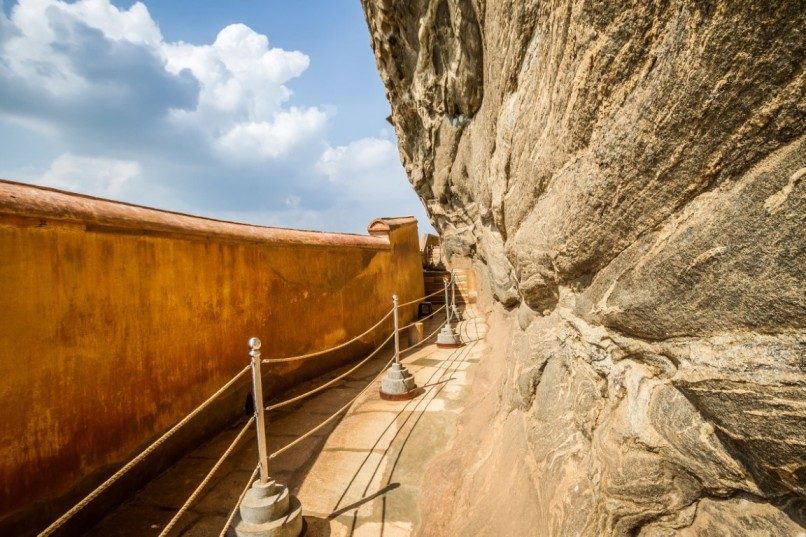
A polished ancient wall along the spiral gallery path where the corridor opens onto the rock face, giving a clean sightline over the surrounding jungle plains; shoot from the walkway itself, keeping close to the wall since the ledge is narrow.
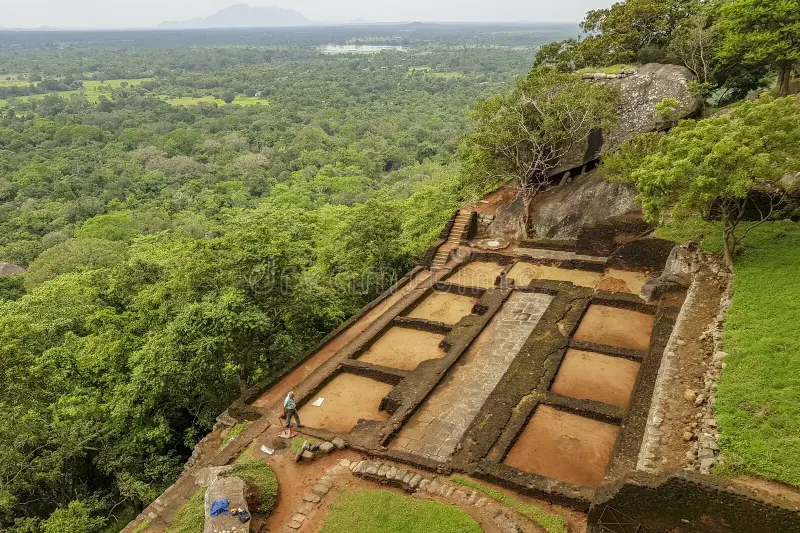
The brick and stone foundations atop the rock, including the throne platform, offer wide open-air shots across the Cultural Triangle in every direction; walk the perimeter path around the ruins for varying angles of the old royal residence.
Symmetrical L-shaped pools at ground level near the entrance create mirror reflections of the rock face on calm mornings; stand at the pool edge closest to the central island for the cleanest reflection line.
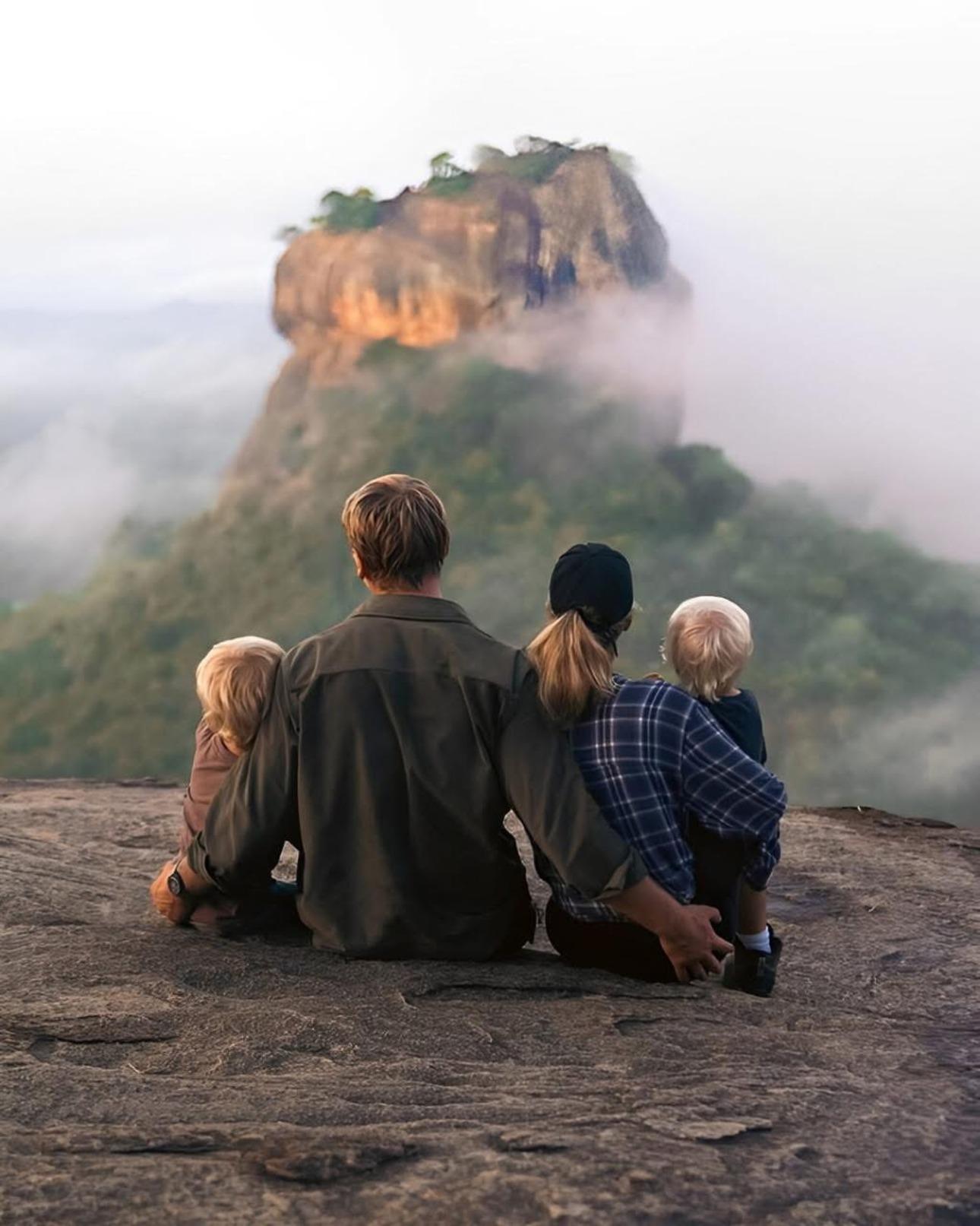
A boulder-strewn viewpoint north of Sigiriya offering the classic cross-view of the entire fortress rock rising from forest; requires a separate short climb up Pidurangala and is best reached well before dawn to claim a spot on the boulders.
Booking Sigiriya Tickets with children in tow means planning around a genuine 1200-step climb rather than a casual stroll, so the real work is pacing, shade, and knowing when to turn back. Families who treat it like a slow morning hike, not a race to the summit, tend to have the best experience.
Break the climb into stages: gardens, mid-level terraces near the frescoes, then the final metal stairways to the Lion's Paws. Build in a rest stop every 15–20 minutes for kids under ten, since the open metal stairways near the top offer little shade and can rattle nerves.
The mirror wall and fresco gallery, roughly a third of the way up, is a natural stopping point if a younger child is fading. It still delivers views and history without pushing tired legs through the steepest, most exposed final ascent.
Carry more water than feels necessary, since there is minimal shade above the water gardens and the metal stairways trap heat by mid-morning. Refill before starting the climb rather than relying on vendors partway up.
Once the path leaves the water gardens, strollers cannot go further, so plan for babywearing or hand-holding the rest of the way. This changes how much gear parents realistically carry on a Sigiriya Tickets tour, so pack light and distribute weight between adults.
Aim for the earliest slot within the 07:00–17:30 window, since heat builds fast on stone and metal steps with no wind. A cooler start buys extra time for slow, kid-paced breaks without running into the hottest stretch on the way down.
Real experiences from real travelers
We started the ascent just after the gates opened and the granite was still cool underfoot, which made the exposed metal stairs bearable. Sigiriya Tickets were checked at the museum gate, then again before the Lion's Paw, so keep them handy. The view from the summit plateau over the flat green lowland is worth every one of the 1,200 steps.
The apsara paintings tucked into the rock pocket halfway up were the highlight for me, the ochre pigment still vivid after fifteen centuries. Our guide on the Sigiriya Tickets tour explained the mirror wall polish before we reached it, which made the graffiti far more interesting. Bring more water than you think you need.
July heat on the western face is no joke by mid-morning, the metal handrails were warm to the touch. The Sigiriya Rock Fortress ruins on top are more extensive than photographs suggest, with the bathing pool cut straight into the stone. Wear grippy shoes, some of the older brick steps are polished smooth.
The spiral staircase to the frescoes creates a real bottleneck and we queued about twenty minutes there. Still, the water gardens at the base are beautifully symmetrical and almost nobody lingers in them. Skip-the-line Sigiriya entry saved us a second queue at the ticket counter.
Standing on Kashyapa's citadel foundations with the wind coming across the plain gives you a real sense of why he chose this rock. Sigiriya Tickets tickets were straightforward to show at each checkpoint. The boulder gardens on the way down are quieter and full of shade.
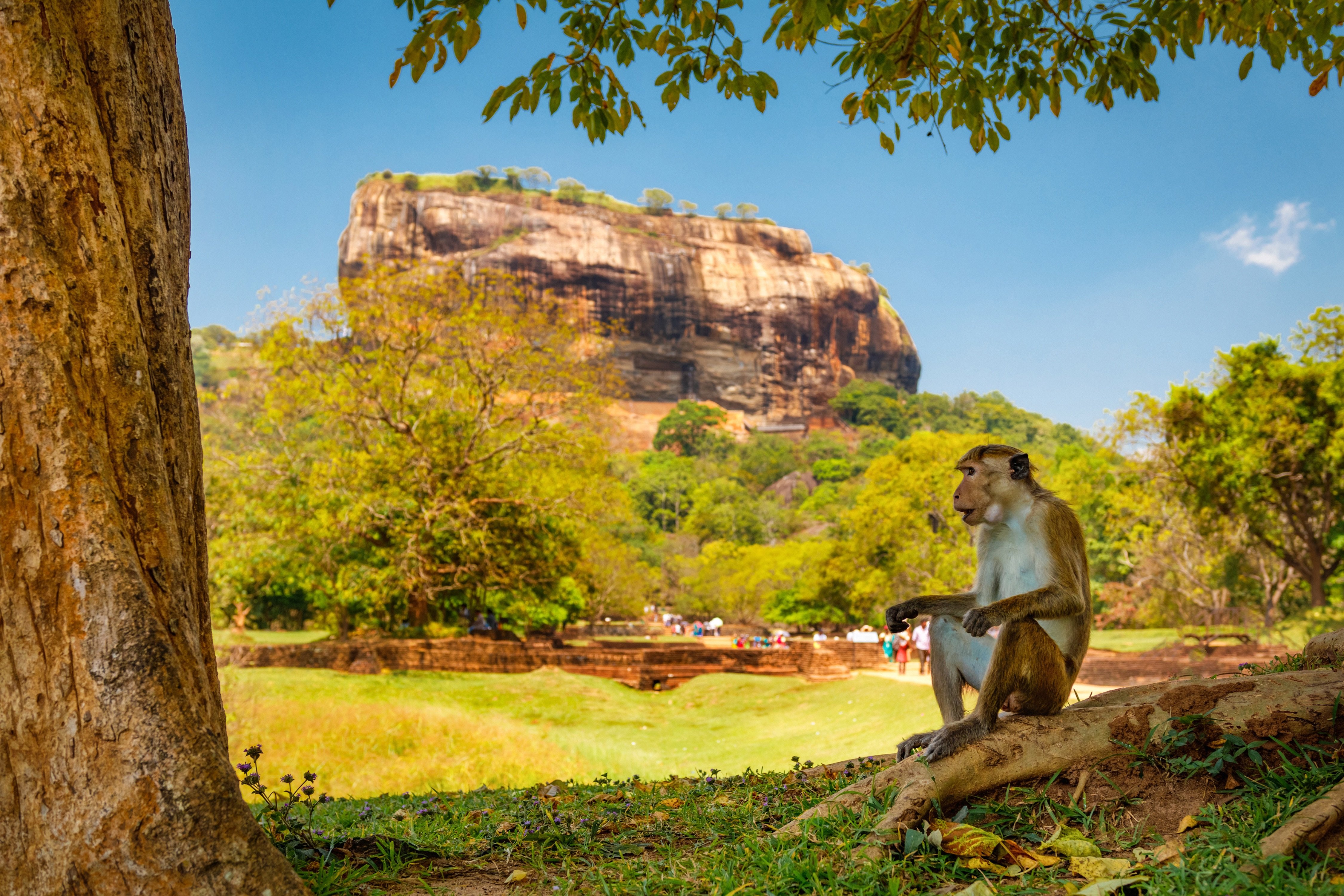
Well maintained paths, clear signage, and the site museum near the entrance is a genuinely good twenty minutes. We booked Sigiriya Tickets tours in advance and the guide knew the audience hall and cistern layouts thoroughly. The monkeys near the terrace will absolutely take an unattended bag.
The caged staircase section is fully exposed and if heights bother you, this will test you. My partner turned back at the Lion's Paw and still enjoyed the lower terraces and the moat walk. The scale of the rock only registers when you are standing under it looking up.
We combined this with other Cultural Triangle sites and Sigiriya was easily the most physically demanding. The mirror wall is roped off but you can still see the sheen. Ticket checks happen more than once so do not stow anything at the bottom.
From the top the jungle canopy runs unbroken to the horizon with Pidurangala off to the north. The brick and limestone terraces on the plateau are surprisingly intact for a fifth-century royal complex. Take the descent slowly, the return staircase is steeper than it looks.
The hydraulic system feeding the water gardens still functions in the wet season, which the guide demonstrated at one of the fountains. A Sigiriya Rock Fortress tour makes sense here because there is far more context than the signboards carry. Sun protection is essential, there is almost no shade above the terrace.
Everything you need to know for your journey
Sigiriya Rock Fortress is open daily from 07:00 to 17:30, with the same hours every day of the week and no scheduled weekly closure.
The standard full ticket for a foreign adult, which is non-SAARC pricing and includes museum entry, costs 35 USD; SAARC nationals and children receive reduced rates at the counter.
The site isn't wheelchair accessible beyond the water gardens, since reaching the summit involves around 1,200 steps up steep, narrow staircases bolted to the rock face.
Prohibited items include drones without a permit, flash photography near the frescoes, and anything that could damage the Mirror Wall, such as writing tools or sharp objects; loudspeakers and littering are also restricted.
Yes, personal photography is allowed throughout the gardens and summit, though flash is not permitted in the fresco gallery and drones require prior written approval.
Arriving during the 07:00–09:00 window offers cooler temperatures and thinner crowds before mid-morning heat and tour buses arrive; this applies across the site's opening hours year-round.
There's no strict dress code for the climb itself, but modest, breathable clothing and closed shoes suited to steep metal stairs are recommended for comfort and respect.
A small stall near the halfway plateau sells bottled water and light snacks, but there's no full restaurant inside, so bringing extra water is worth it.
Sigiriya town connects to Dambulla and Habarana by local bus and tuk-tuk, with most visitors arriving by pre-booked taxi or self-drive car given the limited direct public transport from Colombo.
Yes, children of all ages can visit, though close supervision is needed on the open metal staircases and the climb isn't stroller-friendly past the Boulder Gardens.
Tickets bought directly through the official portal are generally non-refundable once issued, though tour-inclusive bookings that bundle transport often allow free cancellation 24–48 hours ahead; check the specific operator's terms.
Pidurangala Rock, the Dambulla Cave Temple, and the Sigiriya Museum are all within a short drive or walk and pair naturally with a full-day Cultural Triangle itinerary.
A smaller rock climb facing Sigiriya, popular for sunrise views back toward the fortress across the plains.
Cluster of small hotels and guesthouses within a short ride of the entrance gate, ranging from budget rooms to mid-range resorts.
Join thousands of happy travelers who have discovered this incredible experience
Book Your Experience Now